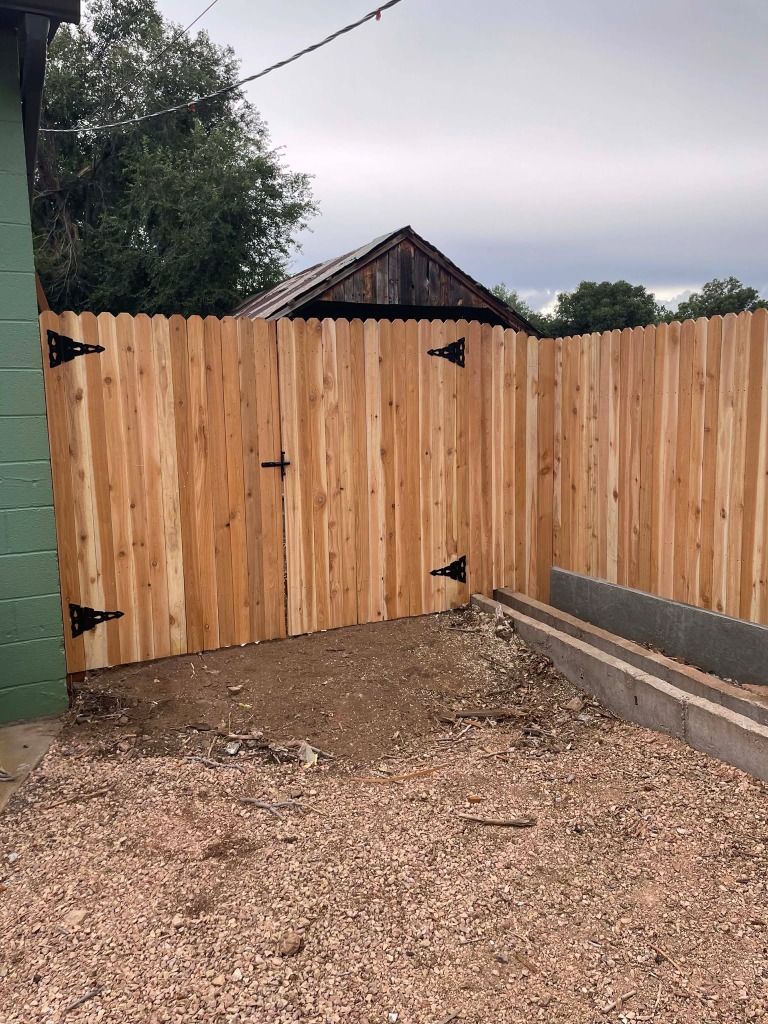
Define Your Purpose: Privacy, Security, or Aesthetics?
The first step is identifying your "why." Are you trying to block a busy street? Keep a new puppy inside? Or just define your property line? Privacy fences (wood, vinyl) are best for seclusion. Wrought iron offers security without blocking views. Split rail offers rustic definition. Knowing your main goal will narrow down your material choices immediately.
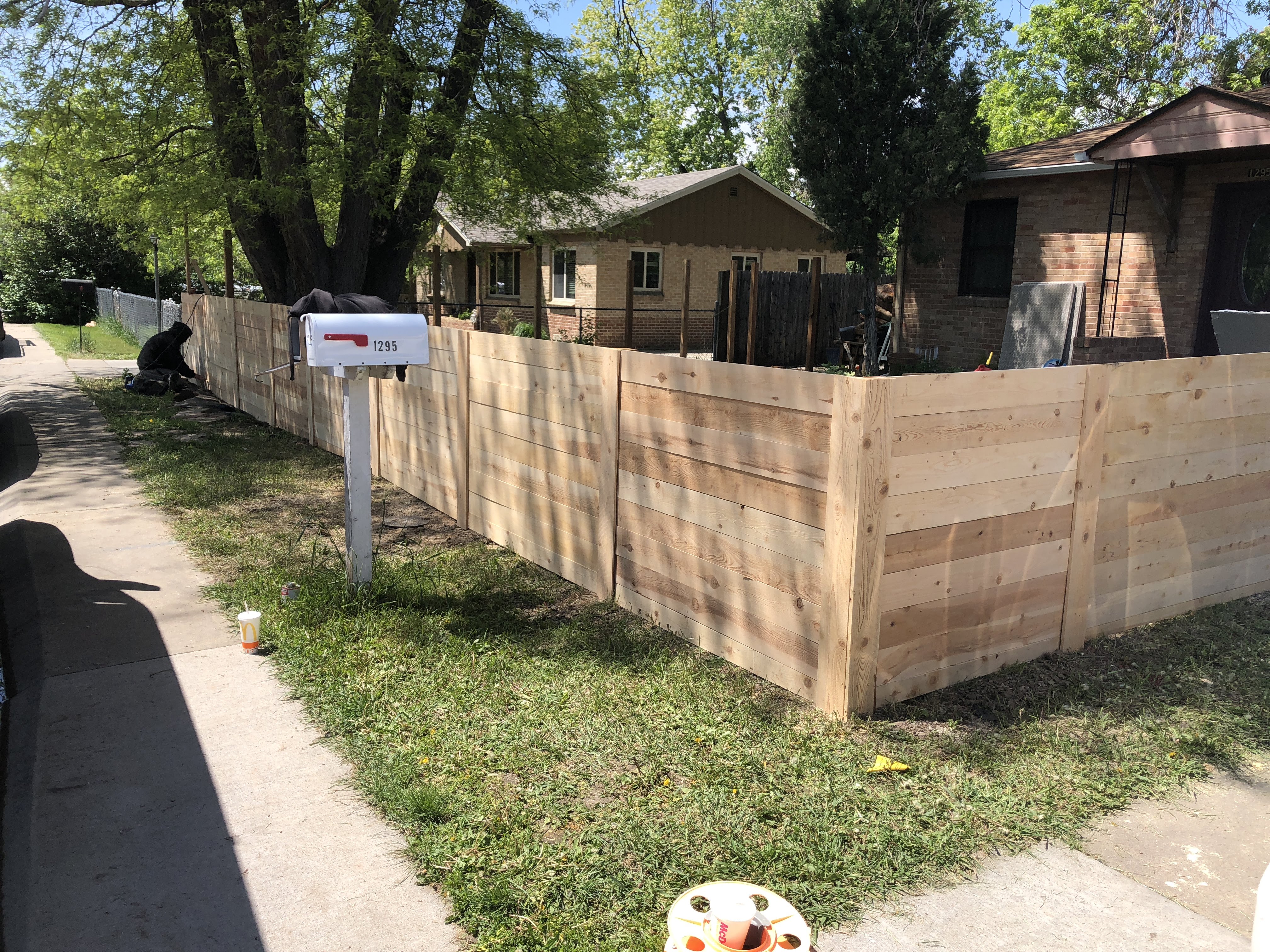
Understanding Colorado's Climate Impact on Materials
Our UV is intense, and our winds are strong. Wood is beautiful but will gray and crack without regular staining. Vinyl is UV-stabilized and flexible enough to handle wind, but cheap vinyl will shatter in cold. Iron is durable but needs powder coating to prevent rust. Choose a material that you are willing to maintain given our harsh environment.
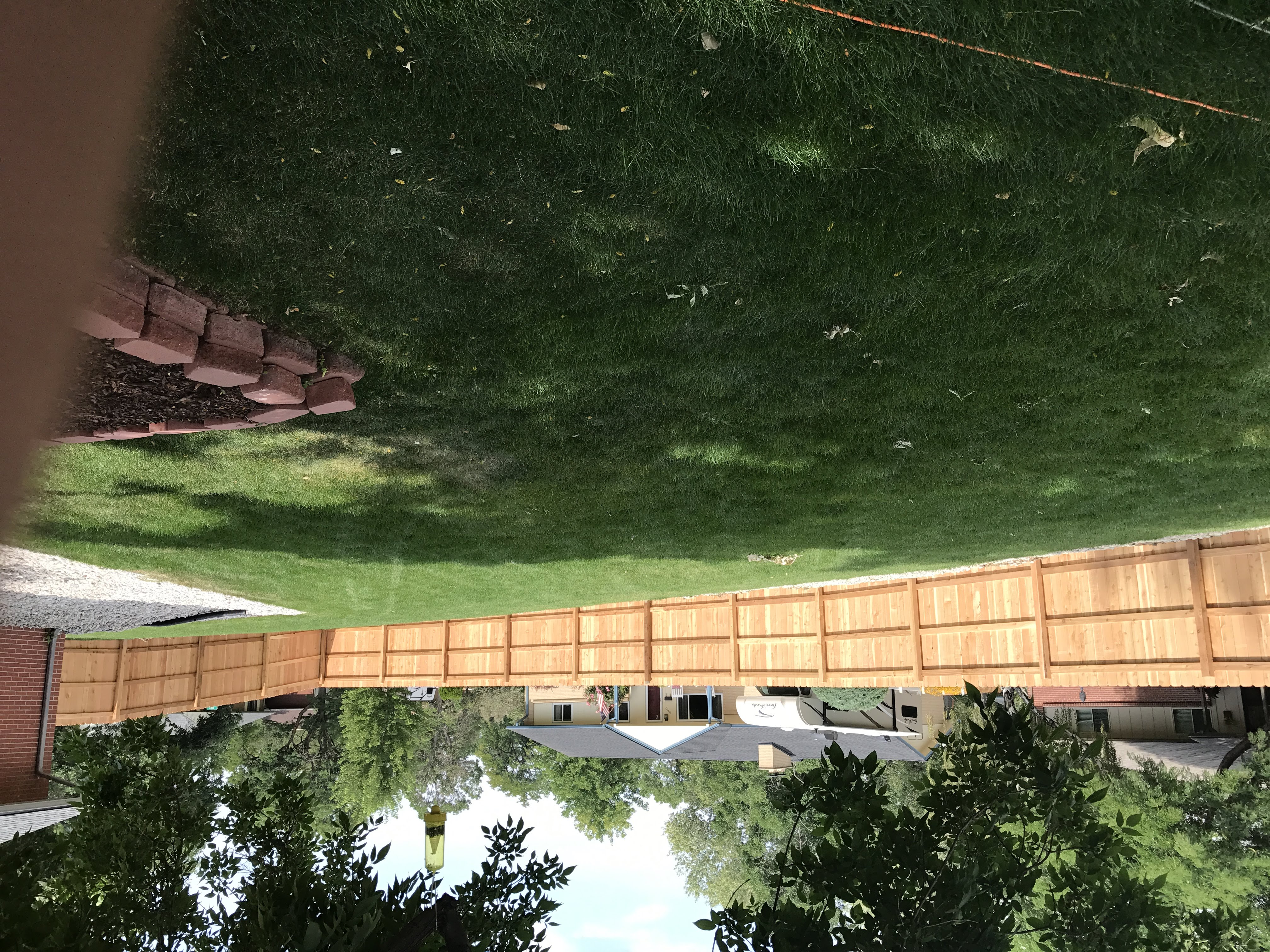
Budgeting for Your Fence Project: Upfront vs. Long-Term Costs
Don't just look at the installation price. Chain link is cheapest to install and lasts forever. Wood is mid-range but has high maintenance costs (stain, repairs). Vinyl and Iron are higher upfront but cost almost nothing to maintain over 20 years. Consider the "Total Cost of Ownership" when making your decision.
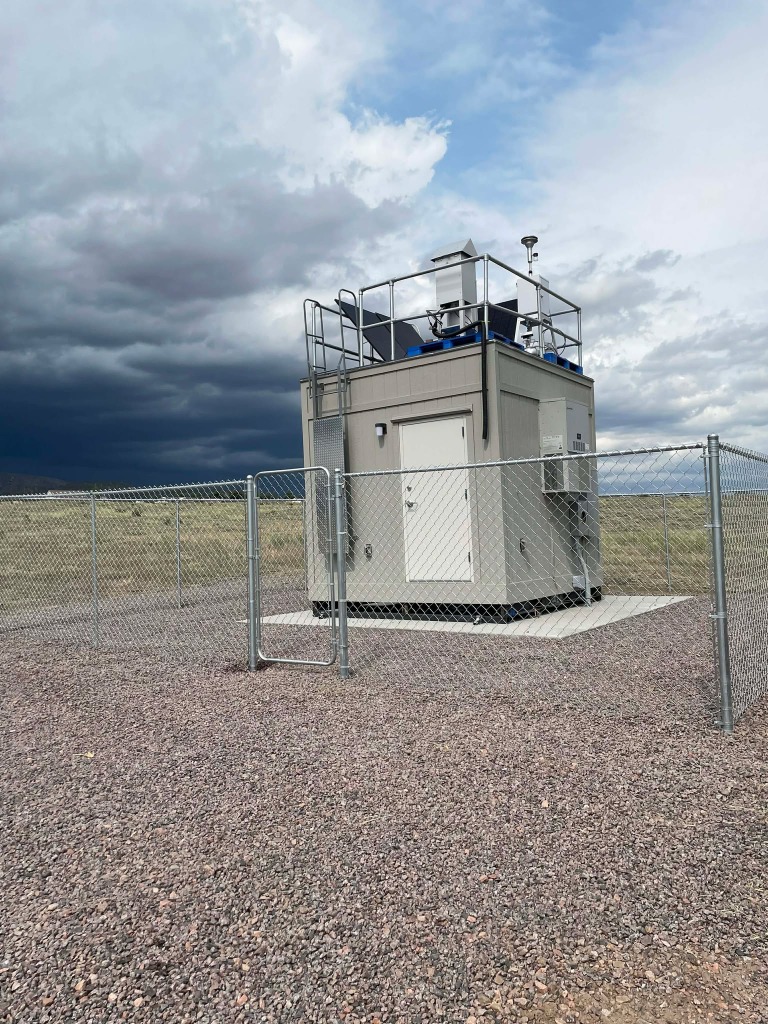
HOA & Municipal Regulations: Assessing Constraints
Before you fall in love with a style, check if you're allowed to have it. Most HOAs restrict materials (e.g., no chain link) and colors. City codes dictate maximum heights (usually 6 feet). We can help you navigate these rules, but it's vital to check your covenants first.
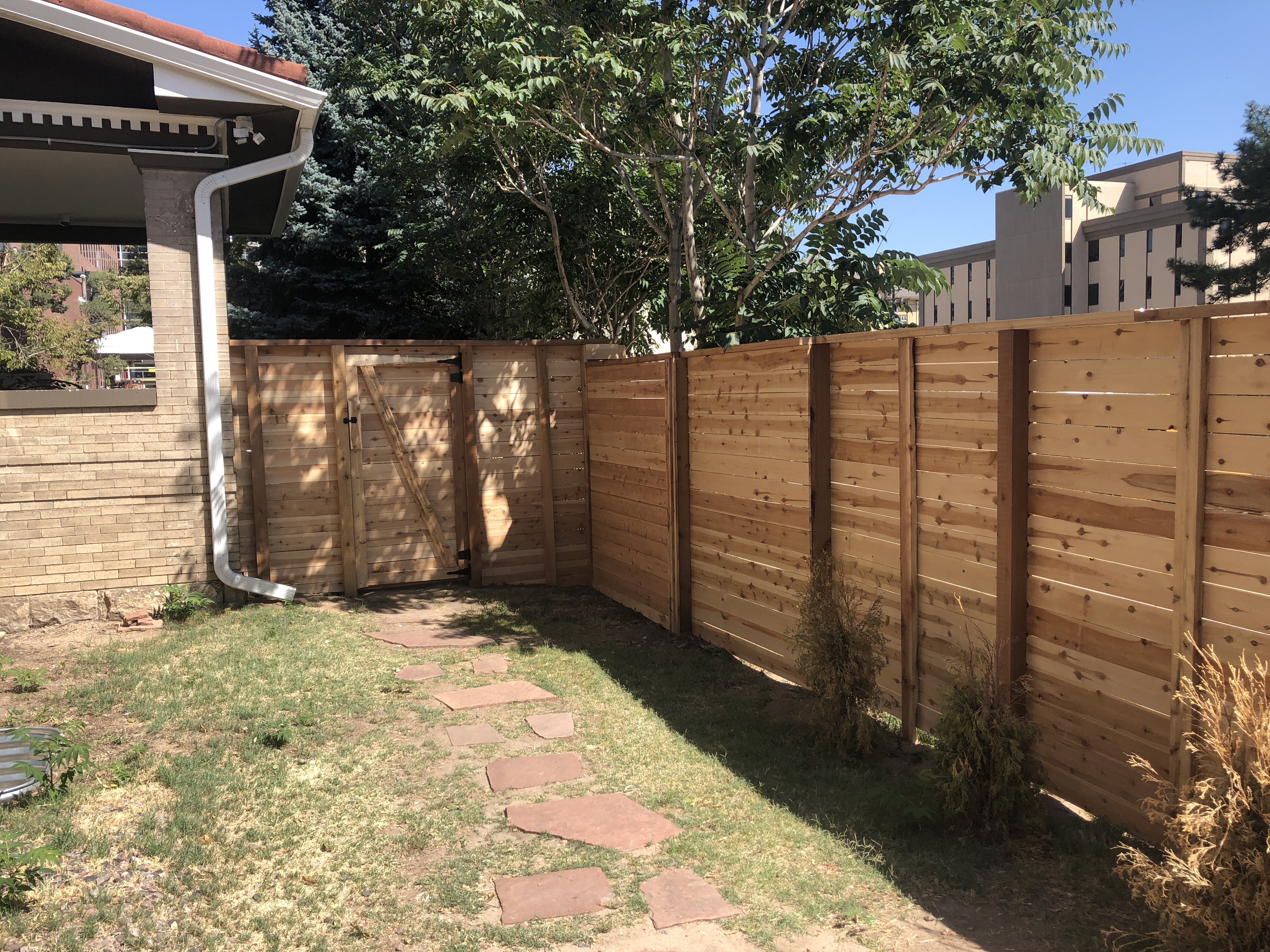
Comparing Top Fence Styles for Southern Colorado
- **Privacy:** Solid board or tongue-and-groove (Wood/Vinyl). - **Semi-Privacy:** Shadowbox or lattice top (allows wind flow). - **Security:** Ornamental iron or tall chain link. - **Decorative:** Picket or split rail (classic American look).
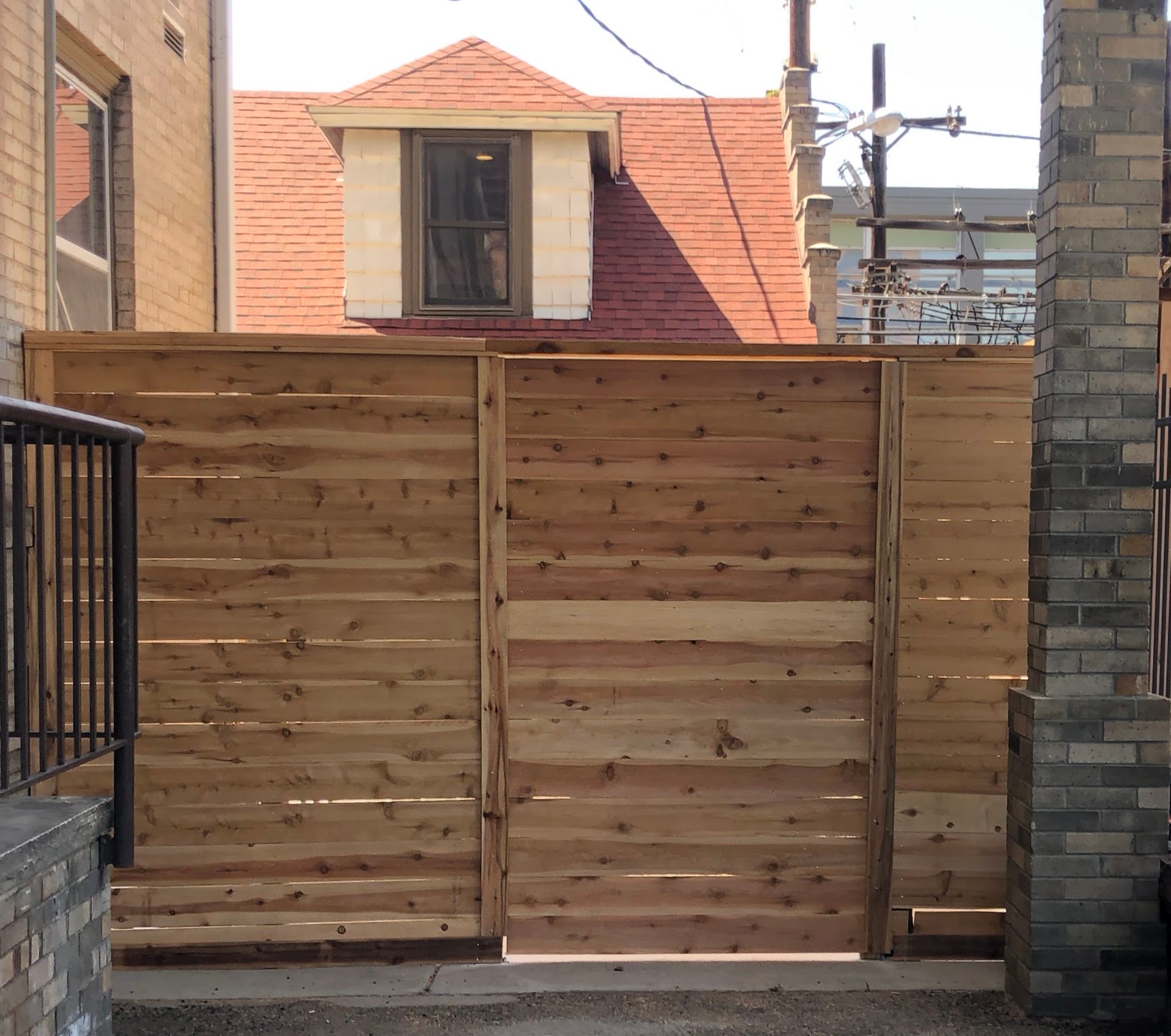
Maintenance Reality Check: How Much Work Do You Want to Do?
Be honest with yourself. If you hate painting and staining, do not get a wood fence. Go with vinyl or ornamental iron. If you love the natural look and don't mind a weekend project every two years, cedar is unmatched in beauty.
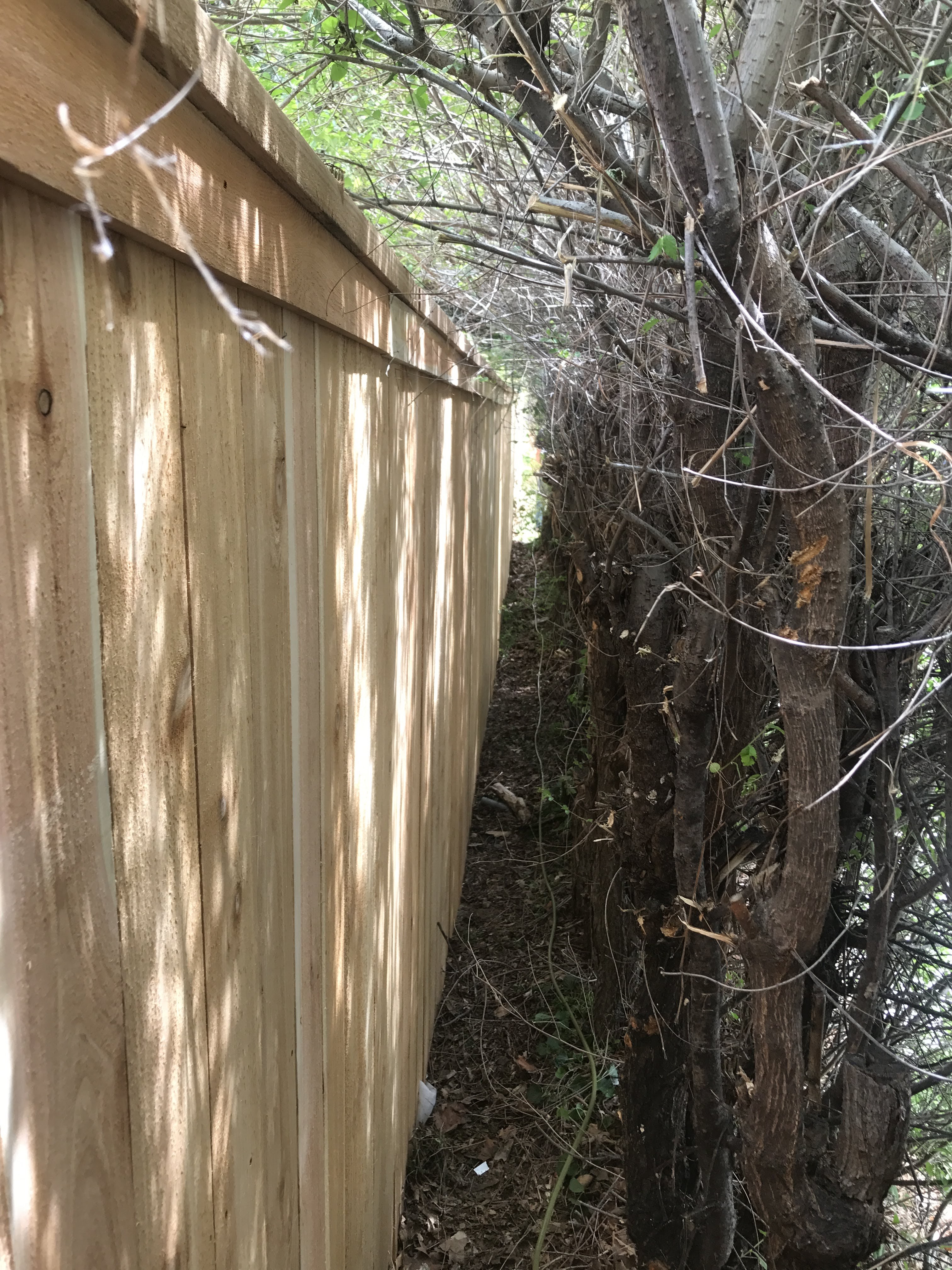
Selecting the Right Height & Gate Placement
Functionality is key. Ensure your gates are wide enough for lawn mowers (typically 4ft for walk gates) or vehicles (10-12ft). 6-foot fences offer privacy, while 4-foot fences are friendlier. Consider where you access your yard most and plan gates accordingly.
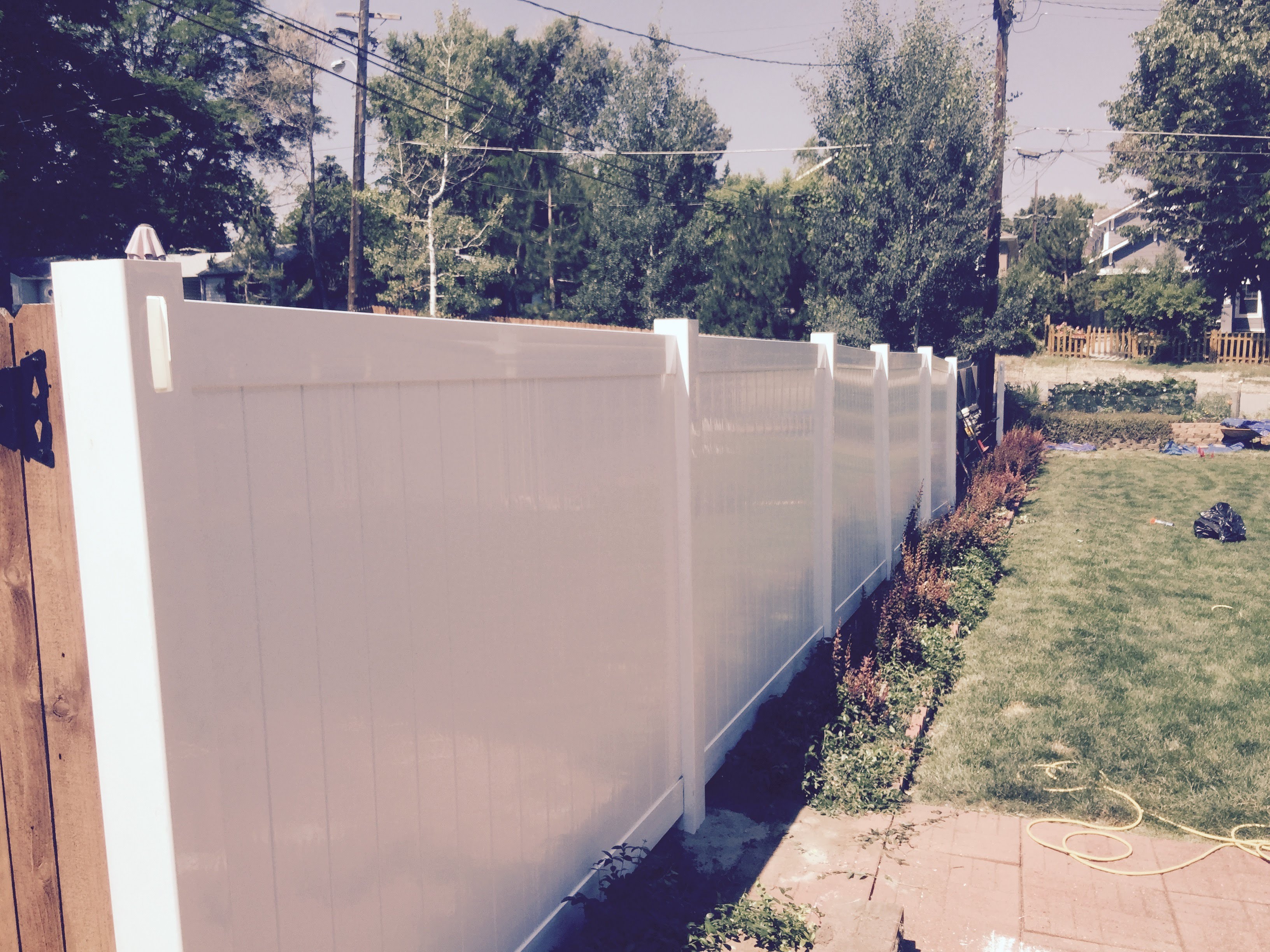
Why Professional Installation Matters
Fencing is harder than it looks. Professional installers know how to set posts deep enough to resist frost heave, how to handle rocky Colorado soil, and how to keep a line straight over uneven terrain. A professionally installed fence will outlast a DIY job by decades.
Ready to Decide? Let's Talk Options.
Still not sure? We can help. Our experts can walk your property, show you samples, and help you balance your needs, budget, and style preferences to find your perfect fence.